What Is Injection Molding?
14 Mar 2023 · Toni Plastic Industries
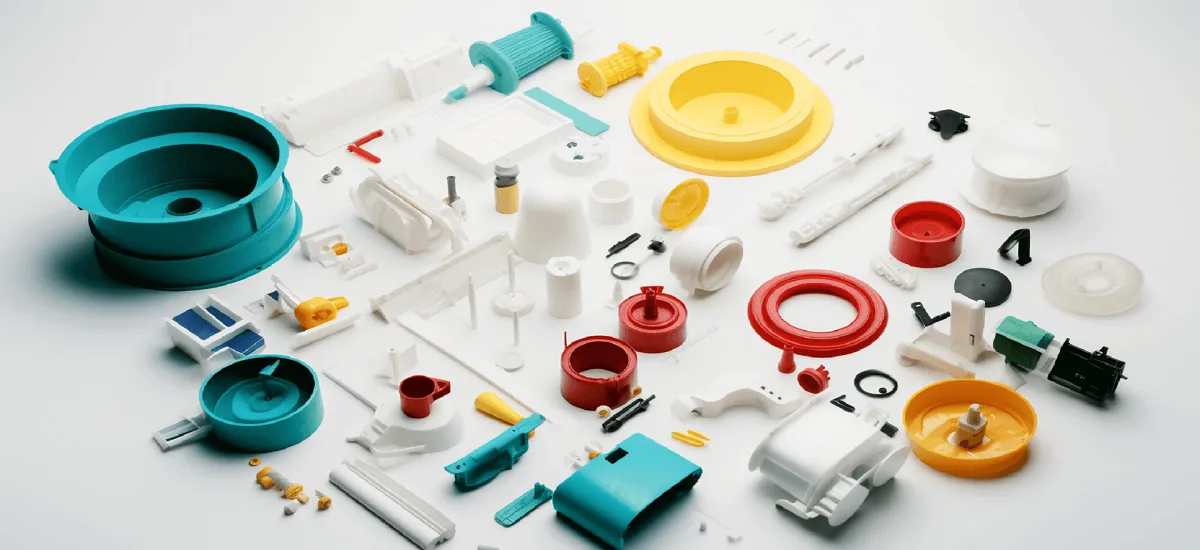
During fabrication, melted plastic is injected into a stainless-steel mold to take on the required shape. The mold is outfitted with various customized cavities to form the product. When the melted plastic has been injected, the material begins filling out the cavities and the rest of the mold. The products are left to cool and are later ejected by pins.
rnrnBenefits of Injection Molding
rnrnOrganizations requiring intricate products or high-volume runs often turn to plastic injection molding because the process makes it simple to achieve high levels of production while keeping the overall costs quite low. Once production begins, the cost per parts drops significantly. This process is also considered to be the most versatile of the molding processes currently available. It makes it easy to create products of all shapes, styles and sizes. If a project requires high degrees of customization, it’s relatively simple to change a number of factors concerning production. Manufacturers use a variety of plastic resins, additives, and finishes to make customization simple.
rnrnOther benefits of injection molding include:
rnrn- rn
- High level of versatility and customization rn
- Low production costs rn
- Efficient and reliable processes rn
- Strong and durable end products rn
Injection Molding Applications
rnrnBecause of its versatility, injection molding is regularly used for a variety of applications. Everything from automotive parts to small, intricate pieces of surgical equipment can benefit from the process. Some other examples of applications involve:
rnrn- rn
- Food and beverage packaging rn
- Aerospace components rn
- Automotive products rn
- Window and door components rn
- Avionics components rn
- Cable assemblies rn
- Point of purchase display components rn
- Encapsulations rn
- Engineering prototypes rn
- Instrumentation rn
- Medical and dental products rn
- Medical laboratory testing components rn